When it comes to homeownership, most people tend to focus on solving problems as they arise, especially when it comes to plumbing issues. Whether it’s a leaky faucet, clogged drain, or a malfunctioning water heater, plumbing emergencies often demand immediate attention. However, one of the most effective ways to avoid costly repairs and extend the life of your plumbing system is by investing in preventative plumbing maintenance. By proactively addressing potential issues before they become major problems, you can save money, avoid disruptive repairs, and ensure the longevity of your plumbing system. In this article, we’ll explore why preventative plumbing maintenance is a smart financial choice for homeowners.
1. Catching Problems Early Saves on Expensive Repairs
One of the most significant advantages of preventative plumbing maintenance is that it allows you to identify small problems before they escalate into large, costly repairs. Minor issues such as a slow drain, small leaks, or low water pressure can easily go unnoticed and may seem inconsequential at first. However, these seemingly insignificant problems can lead to serious damage over time.
For example, a small leak in a pipe may not seem like a big deal, but if left unchecked, it could lead to mold growth, water damage to walls or floors, and even structural damage to your home. Similarly, a minor clog in your pipes can cause a backup, leading to more severe blockages and even the need for sewer line repairs. By scheduling routine plumbing inspections and maintenance, a professional Plumber in Hull can identify these small issues early, allowing for inexpensive repairs that prevent more extensive (and expensive) damage in the future.
2. Prolonging the Lifespan of Plumbing Systems and Fixtures
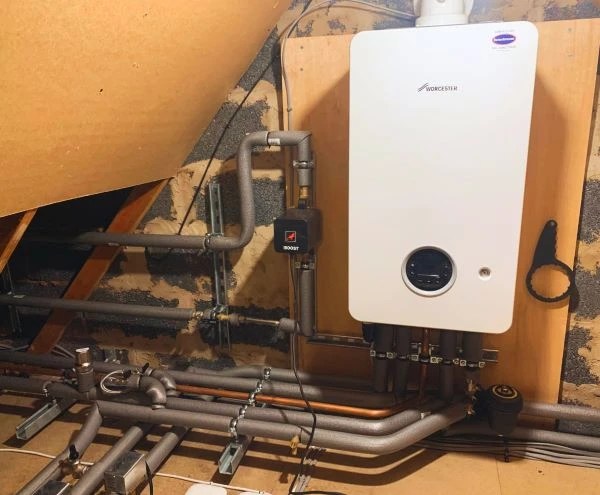
Another reason preventative plumbing maintenance saves money is that it extends the lifespan of your plumbing system and fixtures. Plumbing systems, pipes, and appliances like water heaters and dishwashers all have a finite lifespan, but regular maintenance can help prevent premature wear and tear.
For example, sediment buildup in your water heater can reduce its efficiency and shorten its lifespan. A plumber can flush your water heater regularly to remove sediment, ensuring it continues to operate at peak efficiency for a longer time. Similarly, routine checks on your pipes can detect early signs of corrosion, rust, or wear, allowing for repairs or replacements before pipes completely fail.
By investing in regular maintenance, you can avoid the expense of replacing major plumbing components like water heaters, pipes, or faucets long before their time. This not only saves you money on replacements but also ensures that your plumbing system remains in good condition for years to come.
3. Lower Water Bills
Small leaks or inefficient plumbing fixtures can lead to wasted water, which directly translates to higher water bills. A leaking faucet or running toilet might seem trivial, but over time, these issues can add up, leading to significant water waste. In fact, a single dripping faucet can waste hundreds of gallons of water each month, resulting in unnecessary increases in your water bill.
By scheduling regular maintenance, a plumber can identify and fix these types of issues, preventing water waste and reducing your overall water usage. Additionally, replacing older, inefficient fixtures with modern, water-saving models can have a direct impact on your utility costs. For example, low-flow showerheads and faucets, as well as high-efficiency toilets, can significantly reduce water consumption, leading to lower monthly water bills.
4. Reducing the Likelihood of Emergency Plumbing Situations
Plumbing emergencies, such as burst pipes, sewage backups, and flooding, can be not only inconvenient but also incredibly costly. Emergency plumbing services often come with premium rates, and the repairs required after a serious plumbing failure can be expensive.
Preventative plumbing maintenance is a proactive way to reduce the likelihood of these emergencies. By having a professional plumber inspect your plumbing system regularly, they can detect potential weak spots, such as aging pipes, loose connections, or malfunctioning appliances, and address them before they cause catastrophic problems. For instance, checking the condition of your water pipes, inspecting the roof for potential leaks, and ensuring your sump pump is working properly can prevent expensive emergency repairs in the future.
A good preventative plumbing maintenance routine can also help you avoid the stress and disruption that comes with plumbing emergencies, allowing you to enjoy peace of mind knowing that your system is in optimal condition.
5. Improving Plumbing System Efficiency
Plumbing systems that aren’t properly maintained tend to operate less efficiently, which can lead to higher energy consumption and increased utility bills. For instance, water heaters that haven’t been serviced regularly may require more energy to heat water, while pipes that are clogged or corroded can restrict water flow and create pressure problems.
Regular maintenance ensures that your plumbing system runs as efficiently as possible. For example, ensuring that your water heater is properly insulated and maintained allows it to heat water more efficiently, saving you energy costs. Similarly, ensuring your pipes are free from debris and clogs can improve water flow and prevent strain on your system, which helps reduce overall energy consumption.
6. Improving Water Quality
Preventative plumbing maintenance can also help improve the quality of your water, which can lead to better health and avoid the cost of water filtration systems. Over time, mineral deposits, rust, and other contaminants can build up in your pipes, leading to poor water quality. If not addressed, this can affect your drinking water, cause discolored water, and even damage appliances that rely on clean water.
Regular maintenance allows a professional plumber to flush your pipes, clean water filters, and check for signs of contamination. By maintaining clean and healthy water, you can avoid the costs of replacing appliances or installing costly water filtration systems.
7. Peace of Mind and Fewer Hassles
Finally, preventative plumbing maintenance offers peace of mind. Knowing that your plumbing system is regularly inspected and maintained can help you avoid the stress and inconvenience of dealing with unexpected plumbing problems. This means fewer interruptions to your daily routine, less worry about water damage or leaks, and more confidence in the reliability of your plumbing system.
By preventing problems before they start, you can spend less time worrying about potential plumbing disasters and more time enjoying the comfort of your home.
Conclusion
Preventative plumbing maintenance is an essential investment that can save homeowners significant amounts of money in the long run. By catching problems early, extending the lifespan of your plumbing system, reducing water waste, preventing emergencies, and improving efficiency, you’re not only protecting your home but also making a financially sound decision. Rather than waiting for costly plumbing repairs, consider investing in regular maintenance to keep your plumbing system running smoothly and save money over time.
 Blue Pipe Solutions